
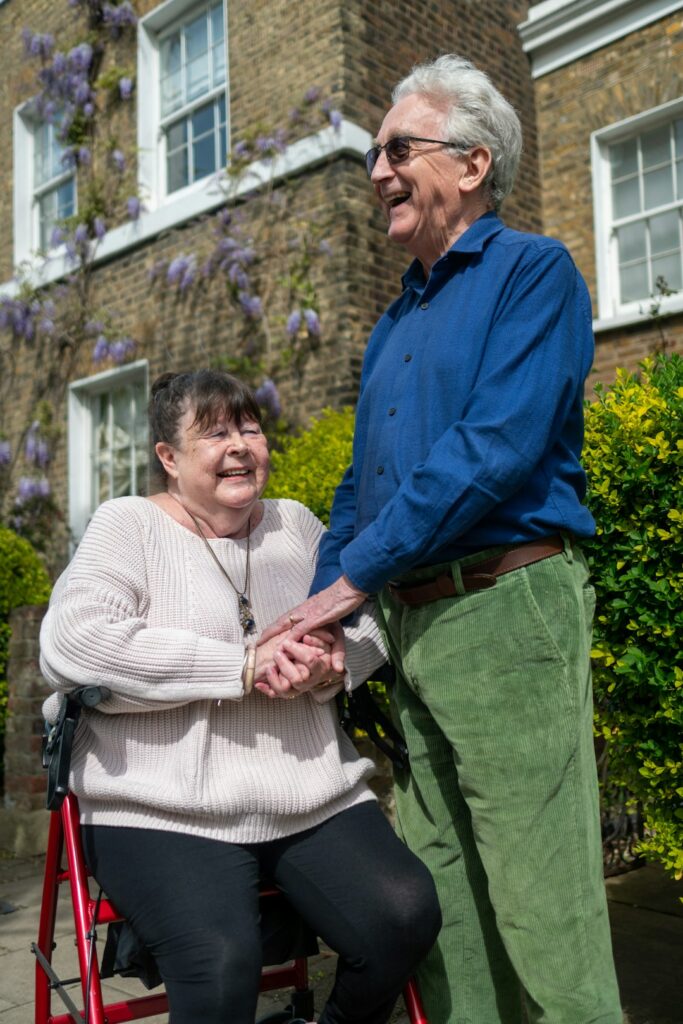
Assisted living staff support residents with daily routines, personal care, health-related needs, safety, social connection, and communication with families. The level of help varies from person to person, because assisted living is designed to provide support while preserving as much independence and choice as possible.
In Carbondale, PA, families may be comparing assisted living with remaining at home, moving in with relatives, or receiving occasional in-home help. Understanding what staff generally do can make those decisions easier and help residents ask better questions before a move.
What kinds of help do assisted living staff provide?
Staff commonly assist with activities of daily living, household routines, safety, and coordination of care. Some residents need only reminders and occasional support, while others require hands-on help several times each day.
Daily assistance may include:
- Bathing, grooming, dressing, and oral care
- Toileting and continence support
- Walking, transferring, and positioning
- Eating, drinking, and following dietary instructions
- Medication reminders or medication assistance, depending on state rules and the resident’s care plan
- Laundry, room organization, and other routine tasks
- Escorting residents to meals, activities, or appointments within the community
Staff should explain what they are doing, protect privacy, and encourage residents to participate in tasks they can still manage safely. Assistance is not meant to replace every activity. For example, a resident may be able to choose clothing, brush their hair, or walk part of the way to the dining area even if help is needed with other steps.
How do staff protect resident safety?
Safety support involves more than responding to emergencies. Staff also watch for changes that could increase the risk of falls, confusion, dehydration, medication problems, or illness.
Common safety responsibilities include checking on residents according to the care plan, keeping walkways clear, responding to emergency calls, and reporting concerns to the appropriate supervisor or nurse. Staff may also help residents use mobility equipment, follow fall-prevention practices, and move safely between the bed, chair, bathroom, and dining area.
Seasonal conditions can affect routines in the area. Snow, ice, shorter winter daylight, and wet floors brought in during storms may create additional fall risks. Staff may adjust activities, transportation arrangements, or walking routes when conditions are unsafe. Residents and families can ask how weather-related concerns are handled and how emergency communication works during power outages or severe storms.
A secure setting may also be part of the safety plan for residents with memory loss or wandering concerns. Safety measures should be explained clearly and used in a way that respects dignity and personal freedom.
How are health needs monitored?
Assisted living staff often notice health changes before a family member does, simply because they see residents during meals, personal care, medication routines, and daily activities. They may observe reduced appetite, unusual tiredness, increased confusion, changes in walking, mood changes, swelling, pain, or difficulty sleeping.
Staff may record observations and report them to a nurse, supervisor, physician, family contact, or emergency service, depending on the situation and the resident’s care plan. They may also help arrange transportation or prepare information for medical appointments.
Assisted living staff do not replace a physician, emergency department, or other licensed medical provider. Chest pain, severe breathing trouble, sudden weakness, serious injury, loss of consciousness, or sudden major confusion may require emergency medical attention rather than routine monitoring.
Families should ask:
- Who is notified when a resident’s condition changes?
- Is a nurse available on site, on call, or at another location?
- How are medication errors or missed doses reported?
- How are hospital visits and returns coordinated?
- What information is shared with the resident and authorized family members?
What role do staff play in memory care and confusion?
Residents with dementia or other cognitive changes may need support that is calm, consistent, and easy to understand. Staff may use familiar routines, short explanations, visual cues, and gentle redirection when a resident is confused or upset.
A resident who repeatedly asks the same question may not benefit from being corrected sharply. Staff may respond to the underlying concern, such as fear, hunger, fatigue, or the need to use the bathroom. Reducing noise, offering simple choices, and approaching from the front can also help prevent distress.

Memory-related support may include monitoring for wandering, helping with meals, encouraging hydration, and identifying changes in behavior. Families can provide useful information about a resident’s former routines, preferred foods, meaningful activities, communication style, and common sources of anxiety.
A diagnosis of dementia does not mean a resident should lose all control over daily decisions. Staff should continue offering choices that are safe and realistic.
How do staff support emotional and social well-being?
Social support is a regular part of assisted living, not an extra service reserved for special occasions. Staff may invite residents to meals, activities, exercise sessions, discussion groups, creative projects, or outdoor time.
They may also notice when someone is spending more time alone, skipping meals, or losing interest in familiar activities. A staff member might encourage participation, help a resident contact family, or suggest a quieter activity for someone who dislikes large groups.
Residents differ in how much social interaction they want. Some enjoy busy schedules, while others prefer reading, listening to music, visiting privately, or spending time outdoors. Good support respects those preferences rather than treating constant activity as the goal.
Emotional well-being can also be affected by relocation. Moving from a long-time home may bring grief, frustration, or embarrassment about needing help. Staff can make the transition easier by learning the resident’s habits, using familiar personal items, and explaining routines without rushing.
How do staff communicate with families?
Communication usually includes routine updates, care-plan discussions, notices about significant changes, and information about appointments or incidents. Privacy rules may limit what staff can share unless the resident has authorized specific family members to receive information.
Families can improve communication by keeping contact information current, identifying the legally authorized decision-maker, and sharing relevant medical, behavioral, and emergency information. It is also helpful to distinguish between a normal adjustment issue and a concern requiring prompt attention.
Questions deserve specific answers. Instead of asking whether a resident is “doing fine,” a family member might ask whether the resident is eating regularly, walking at the usual level, sleeping normally, participating in activities, or showing new confusion.
What should residents ask about staffing?
Staffing arrangements can vary by community, shift, resident needs, and state requirements. A community may have different roles for personal care aides, medication staff, nurses, activity workers, dining staff, and supervisors.
Useful questions include:
- How many staff members are typically available during the day, evening, and overnight?
- How are urgent needs handled after regular office hours?
- What happens if several residents need help at the same time?
- Are staff trained in transfers, dementia support, emergency response, and infection prevention?
- How are care needs reassessed if a resident becomes weaker or needs more assistance?
- Which services are included, and which needs may require a different level of care?
Staff support works best when residents, families, and care teams communicate openly about changing needs. A resident may begin by needing reminders and later require more direct assistance. Regular reassessment helps ensure that the care plan reflects the person’s current abilities, risks, preferences, and goals.
